
About the Polk-Clark School & Community Center
A Legacy of Learning, Leadership, and Liberation
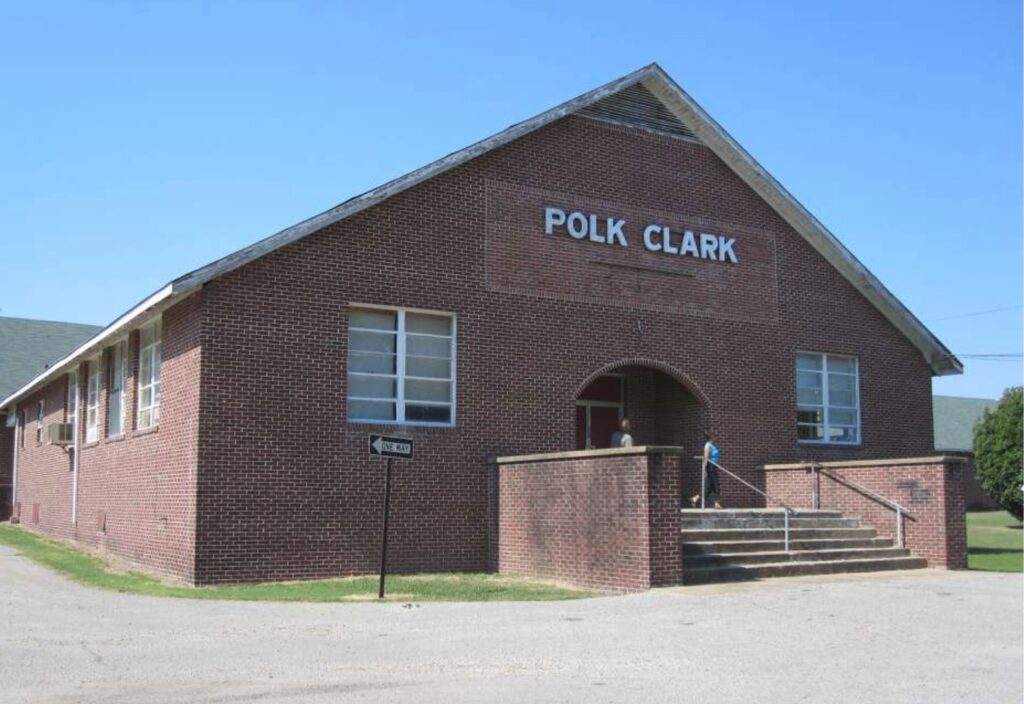
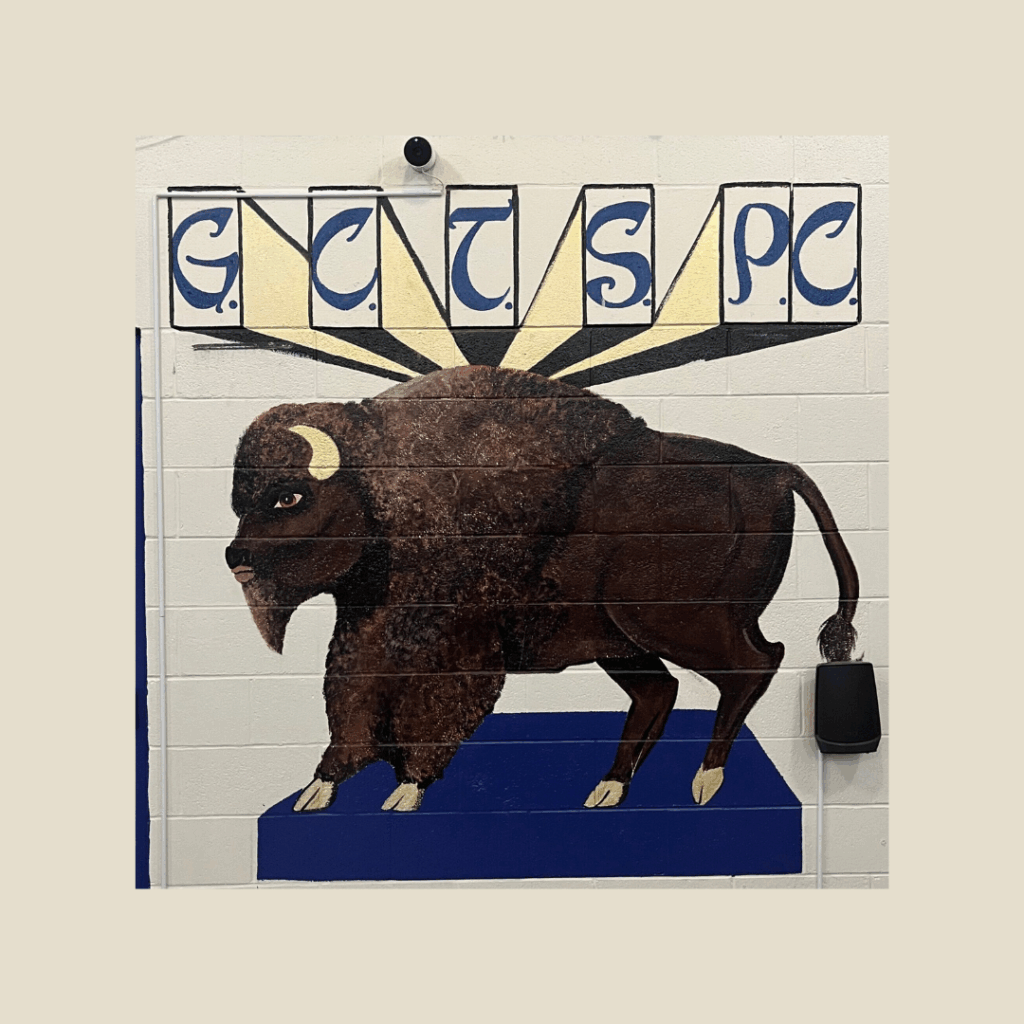
The story of the Polk-Clark School and Community Center is one of resilience, vision, and profound community impact. It began in 1926 with the establishment of the Gibson County Training School (GCTS)—originally known as the Industrial School for Negroes—in Milan, Tennessee. At a time when educational opportunities for African Americans were severely limited, this institution emerged as a beacon of hope and progress for Black students across Gibson County and beyond.
Foundations of a Movement
The school was built through the support of the Julius Rosenwald Fund, a national philanthropic initiative that helped construct nearly 5,000 schools for African American children in the rural South during the Jim Crow era. GCTS was the only training school for Black students in Gibson County and became the first accredited four-year high school for Black students in the region. It served not only the youth of Milan but also drew students from neighboring counties, standing as a proud pillar of Black excellence and advancement.
Before GCTS was built, the first school for Black children in Milan was located near Cloverdale Cemetery. After it was tragically destroyed by fire in 1924, classes were temporarily relocated to the Masonic Lodge on Front Street. Community members—deeply committed to education despite limited resources—paid $5 per student annually to help cover teachers’ salaries.
Pioneers in Education
The first principal of GCTS was Professor F.M. Dickey, a Lane College graduate, who oversaw grades 1 through 10. In the 1928–1929 academic year, the school added the 11th grade, expanding its offerings to better prepare students for college, teaching, military service, or trade work. T.R. Hartsfield later succeeded Dickey as principal and continued to build the institution’s academic legacy.
By 1950, the school had established itself as the educational cornerstone of Black life in Gibson County. Over the decades, more than 1,400 students graduated from GCTS between 1926 and 1970, many of whom went on to become leaders, professionals, veterans, and community builders.
The school’s guiding motto, “Enter to learn—go forth to serve,” captured the spirit of empowerment that defined every lesson taught within its walls.
Oh Milan, Milan, we’re loyal to you.
Milan, Milan, our hearts forever true.
We know you will stand with the best in the land,
So we pledge heart and hand to you.
Oh Milan, Milan the name we all love.
Milan, Milan as the stars shine above.
So steadfast, so true, all your sons fight for you,
And we pledge faith anew and love.
Milan sons and daughters, we do or die, we stand for thee.
Our hearts cry out in ecstasy to you, our Alma Mater.
Oh Milan, Milan as stars shine above.
So steadfast, so true, all your sons fight for you
And we pledge faith anew and love.
The School Song
The Evolution to Polk-Clark
In 1961, to honor two key figures who had long championed the cause of Black education in Milan, the school was renamed Polk-Clark High School:
- Dr. Silas W. Polk, a beloved local physician and education advocate, was instrumental in advocating for quality schooling for Black youth.
- Mrs. Saletta “Sleetie” Crudup Clark, the school’s long-time first-grade teacher and Dean of Girls, was equally pivotal in shaping young minds and leading the original campaign for a dedicated high school.
With desegregation on the horizon, Polk-Clark graduated its final high school class in 1970. The school transitioned into serving students in grades K–3 until its closure in 1995.
Preserving the Legacy
In 1996, after decades of community service and education, ownership of the 65,000-square-foot school—situated on 15 acres—was officially granted to the Polk-Clark High School Alumni Association, a 501(c)(3) nonprofit organization, following the satisfaction of a conditional deed originally issued in 1974.
The facility includes:
- A gymnasium
- Vocational and industrial classrooms
- A kitchen and cafetorium
- Meeting rooms
- Restrooms
- Athletic fields and outdoor recreation areas
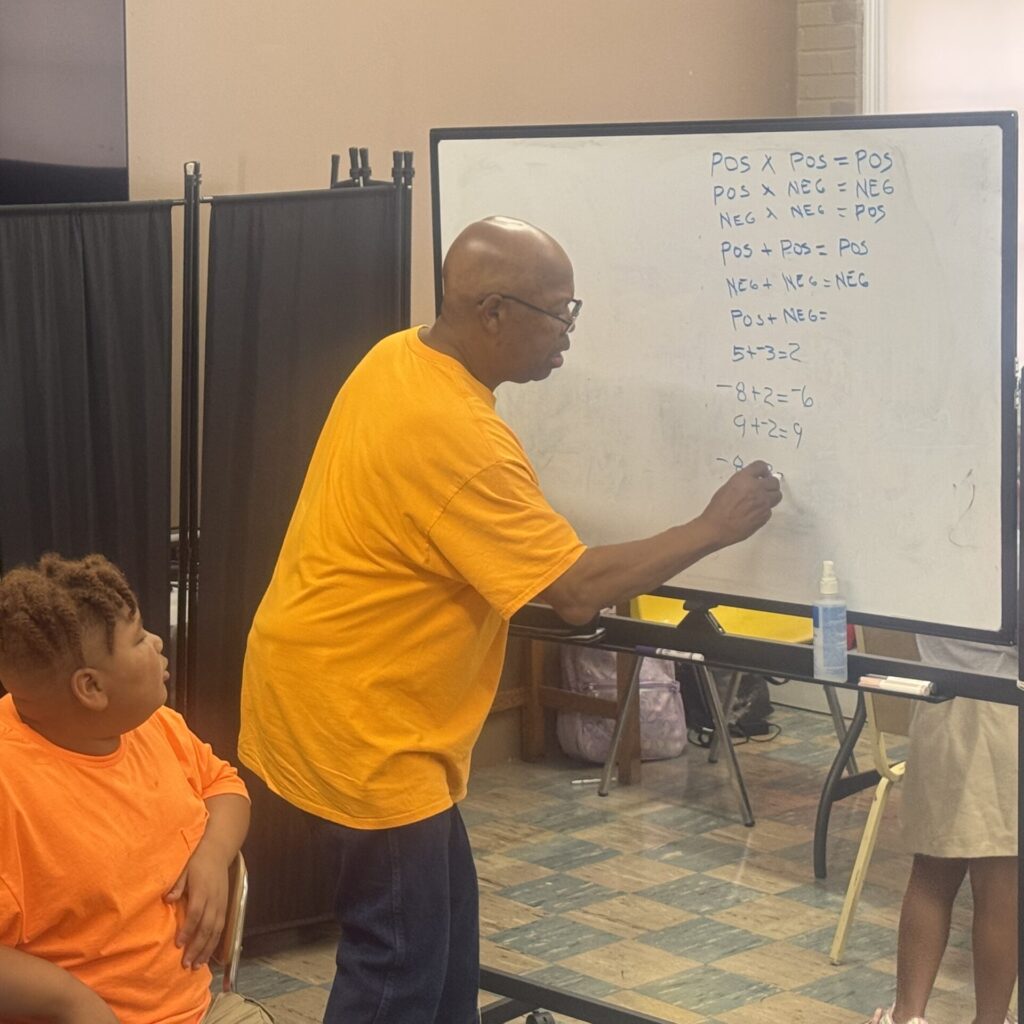
These spaces have continued to serve as community assets. Over the years, the site has functioned as a voting location, a food distribution center, a COVID-19 vaccination clinic, and a venue for social gatherings, reunions, and educational workshops—all offered at nominal or no cost to ensure access for all.
Preserving the Legacy
In 1996, after decades of community service and education, ownership of the 65,000-square-foot school—situated on 15 acres—was officially granted to the Polk-Clark High School Alumni Association, a 501(c)(3) nonprofit organization, following the satisfaction of a conditional deed originally issued in 1974.
The facility includes:
- A gymnasium
- Vocational and industrial classrooms
- A kitchen and cafetorium
- Meeting rooms
- Restrooms
- Athletic fields and outdoor recreation areas
These spaces have continued to serve as community assets. Over the years, the site has functioned as a voting location, a food distribution center, a COVID-19 vaccination clinic, and a venue for social gatherings, reunions, and educational workshops—all offered at nominal or no cost to ensure access for all.
A Living Legacy
In 2011, Polk-Clark was recognized by the Middle Tennessee State University Center for Historic Preservation as a National Register Project, affirming its historical and cultural significance in the broader narrative of civil rights and public education in Tennessee.
Today, the spirit of Polk-Clark lives on through the efforts of the Polk-Clark Alumni Association and the nearly 378 living alumni, many of whom continue to give back as volunteers, donors, and community leaders. Among its graduates are military veterans, educators, ministers, public servants, tradespeople, and countless individuals whose lives were forever changed within the school’s halls.
What began as a modest institution fueled by community determination and philanthropic vision has become a lasting legacy of Black education, empowerment, and cultural heritage. Polk-Clark stands today not only as a historic landmark but also as a living, breathing community hub that continues to uplift the city of Milan and the surrounding region.